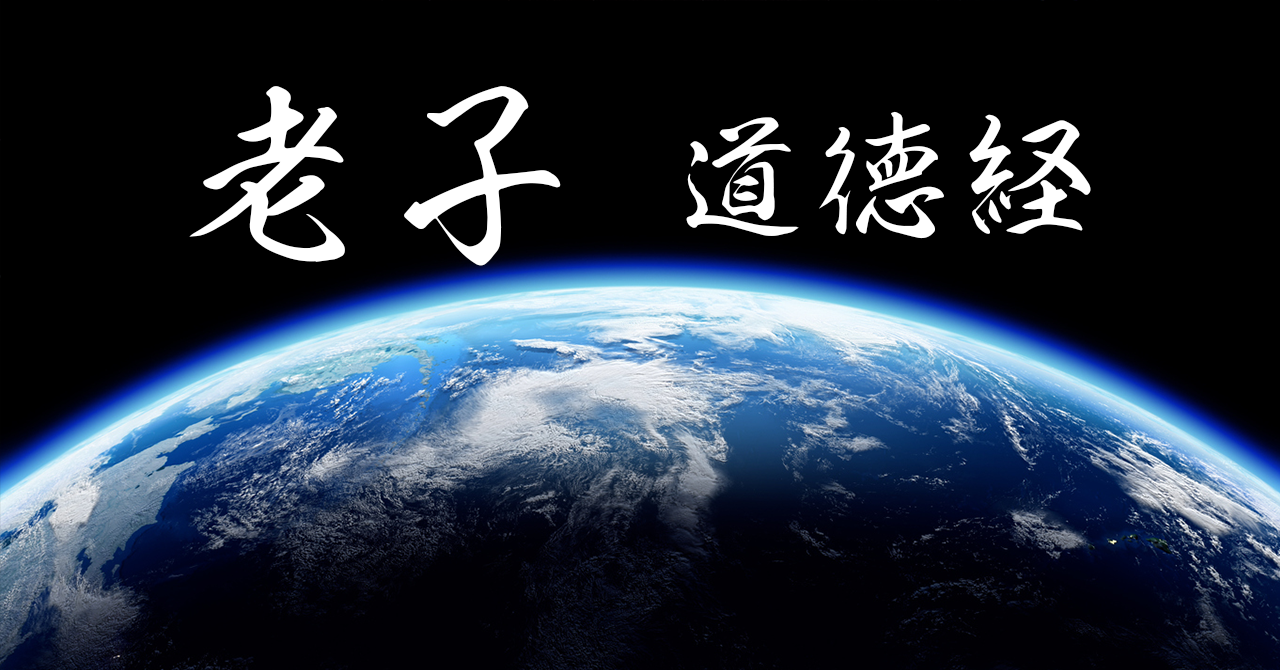
他人を見抜く能力がある人には知恵があるけれど、実は己を知るのはもっと難しく、それができる人こそ明哲である、と老子は言います。
他人との競争に勝つことのできる人には権力や能力など外界を動かす力があるけれど、実はそれより難しいのが己に勝つ、克己であるといいます。
なぜ己に克つ必要があるのでしょうか?それは、満足するとは「足るを知る」ことだから。自分の欲望をコントロールできずにいつも「もっと欲しい」なら満足することはできません。だから老子は、満足することを知る者こそが豊かなのだと言います。
宇宙の根源である道とともに、本当に自分らしい人生を貫いているなら長続きするし、「死んで滅びない者」こそが長寿だと言います。「死んで滅びない」とは、二千五百年が経過しても語り継がれる老子のような人のことです。
True Wealth Lies in Contentment
Laozi says that a person who has the ability to discern others possesses wisdom, but it is actually much more difficult to know oneself, and the one who can do so is truly wise.
A person who can prevail over others in competition has the power and ability to influence the external world, but Laozi teaches that what is even more difficult is to prevail over oneself — self-mastery.
Why, then, is it necessary to master oneself? Because to be truly satisfied is to “know contentment.” If you cannot control your desires and are always wanting more, you will never be satisfied. That is why Laozi says that the one who knows contentment is truly rich.
If, together with the Way — the source of the universe — you live out a life that is genuinely true to yourself, it will endure. And Laozi says that “he who dies yet does not perish” is the one who has true longevity. “To die yet not perish” refers to someone like Laozi himself, who is still spoken of even after 2,500 years.
漢文・書き下し文と現代語訳
知人者智、自知者明。勝人者有力、自勝者強。 人(ひと)を知(し)る者(もの)は智(ち)、自(みずか)らを知(し)る者(もの)は明(めい)なり。人(ひと)に勝(か)つ者(もの)は力(ちから)有(あ)り、自(みずか)らに勝(か)つ者(もの)は強(つよ)し。
他人を見抜くことができる者には智慧があり、己を見抜いている者は明哲である。他人に勝つことができる者には権力や能力などの力があり、己に克つことのできる者は強い。
- 智(ち): 物事の道理を理解し、是非・善悪を判断する能力。知恵。智慧。
- 明(めい): 物事を見分けたり見通したりする力がある。聡明。明哲。
知足者富、強行者有志。不失其所者久。死而不亡者壽。 足(た)るを知(し)る者(もの)は富(と)み、強(つと)めて行(おこ)なう者(もの)は志(こころざし)有(あ)り。其(そ)の所(ところ)を失(うし)なわざる者(もの)は久(ひさ)しく、死(し)して亡(ほろ)びざる者(もの)は寿(じゅ)なり。
満足することを知っている者は豊かで、強い意志を持ってことを行うことのできる者には志がある。宇宙の根源を忘れない自分本来の在り方を見失うことのない者は長続きし、死んで滅びることのない者は長寿である。