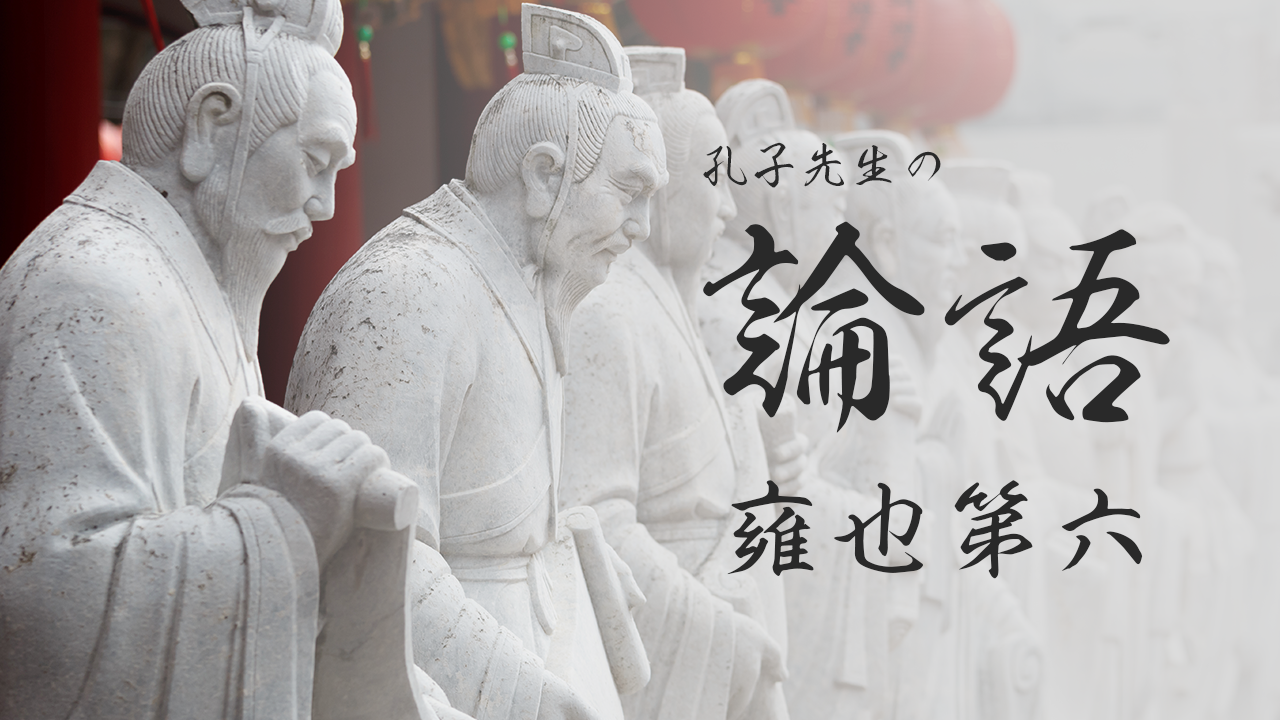
孔子先生は、中庸は最もすぐれた徳であるとおっしゃいます。中庸とは、偏らず、ほどよいこと。やりすぎ、やらなすぎがないこと。中庸は、人間の道義に従うことで、既存のルールに従うこととは異なります。状況に応じて中庸は変わるから、ほどよく何かするというのは案外難しいんですね。
Finding the Right Balance
Confucius taught that moderation, or the Mean is the highest virtue. The Mean refers to avoiding extremes and maintaining a proper balance—neither excess nor deficiency. It means following the moral path in accord with human nature, rather than simply conforming to established rules. Because the right balance shifts with circumstances, practicing moderation is more difficult than it seems.
漢文と書き下し文
子曰、中庸之爲德也、其至矣乎。民鮮久矣。
子(し)曰(いわ)く、中庸(ちゅうよう)の徳(とく)為(た)るや、其(そ)れ至(いた)れるかな。民(たみ)鮮(すく)なきこと久(ひさ)しと。
現代語訳
孔子先生はこのようにおっしゃった。「過不足のない、中庸の徳は最もすばらしい。この徳をそなえた人が少なくなって、長い年月が経った。」
解説
- 中庸(ちゅうよう)の徳(とく):過不足のない徳。ほどよい。やりすぎ、やらなすぎがないこと。
- 至(いた)れる:最も良い
- 民(たみ)鮮(すく)なき:中庸の徳をそなえている人が少ない
- 久(ひさ)し:長い年月が経った