喫茶去(きっさこ)
お茶をどうぞ
Please have some tea
お茶室にかかるお軸
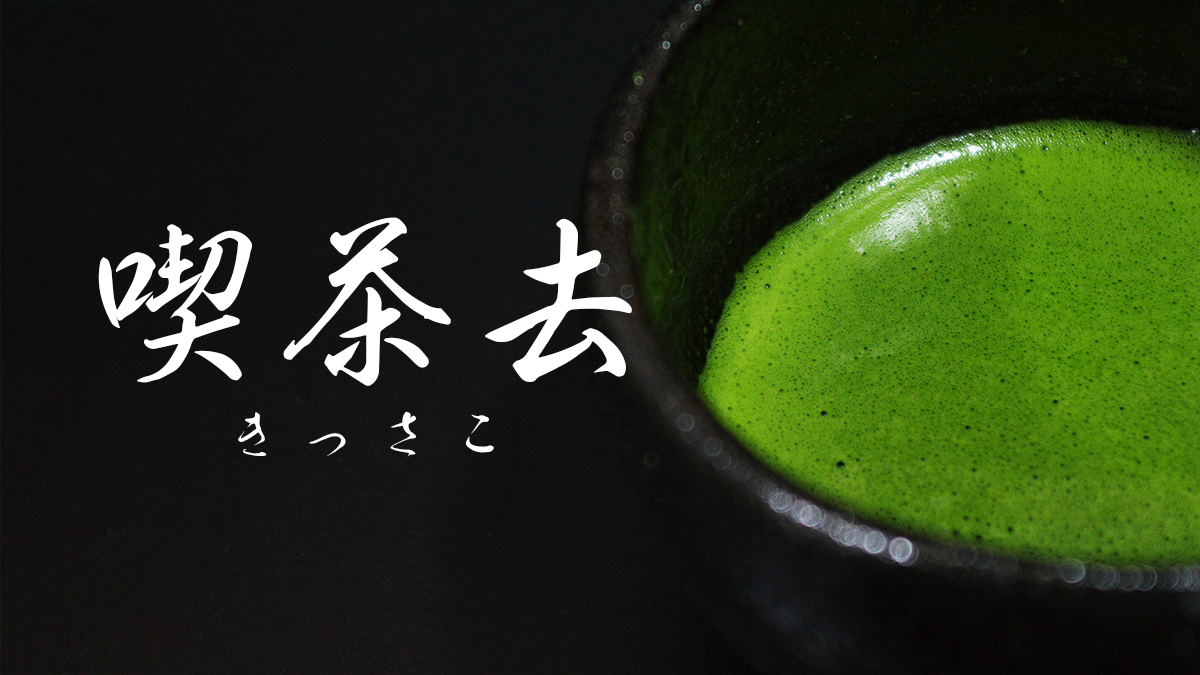
喫茶去は、お茶室の床の間のお軸などに見られる禅語です。
東京の先生のお稽古場で拝見したこともありますが、一番最近はつい先日放送のNHKの茶道番組で大徳寺聚光院の小野澤虎洞(おのざわ こどう)老師がこのお軸についてお話されているのを観ました。
The Hanging Scroll in the Tea Room
“Kissako” (喫茶去) is a Zen phrase often found on hanging scrolls displayed in the tokonoma alcove of a tea room. I’ve seen it at my tea teacher’s tea room in Tokyo, and most recently, I watched Master Onozawa Kodō of Jyukō-in at Daitoku-ji Temple discuss this scroll on an NHK program about the tea ceremony that aired just the other day.
由来と解釈
喫茶去は中国・唐代の趙州従諗(じょうしゅうじゅうしん)禅師のエピソードが元になった禅語です。
禅師を訪ねた二人の僧に対して、禅師は「前にここに来たことがあるのか?」と尋ねられました。一人の僧は「来たことがありません」、もう一人は「来たことがあります」と異なった回答をしましたが、禅師はどちらの僧に対してもただ「喫茶去」とおっしゃいました。
この禅師の謎めいた言葉は、「お茶でも飲め」、「お茶でも飲んで帰れ」、「まだ修行が足りないから出直せ」、「お茶を飲むといった日常生活こそ仏法である」等々、いろいろな解釈があるそうです。
Origin and Interpretation
“Have some tea” (Kissako, 喫茶去) is a Zen phrase derived from an episode about Zen Master Zhaozhou Congshen of China’s Tang dynasty.
When two monks visited him, the master asked, “Have you been here before?” One replied, “No, I have not,” and the other said, “Yes, I have.” To both, the master simply said, “Have some tea.”
This enigmatic remark has been interpreted in many ways: “Have some tea,” “Have some tea and go,” “Your practice is not yet sufficient—come back later,” or “Even the simple act of drinking tea is itself the Dharma.”
お茶をどうぞ
この禅語の解釈について、大徳寺聚光院住職の小野澤虎洞老師は、単に「お茶をどうぞ」でよい、とおっしゃいました。
聚光院ではお寺のスタッフが顔を合わせてお茶を飲む「茶礼(されい)」の時間が決まっているそうです。ごく普通の家庭用電気ポットの蓋をかぱっと開けたところから柄杓でお湯をくんでお茶を点て、「みんなで顔を合わせて茶礼をする(お茶を飲む)のにこれがちょうどいい、聚光院流です。」とおっしゃっていた素朴なお姿が印象的でした。
心がこもっていれば道具はありあわせで良い、名人こそ少ない道具で茶の湯をしたとは「利休百首」にもあります。
Please Have Some Tea
When asked about the meaning of this Zen phrase, Master Onozawa Kodō, head priest of Jyukōin at Daitoku-ji Temple, said that simply saying “Please have some tea” is enough.
At Jyukōin, there is a set time each day when the temple staff gather to share tea together, a custom known as sarei (tea gathering). The simplicity of his manner was striking: he opened the lid of an ordinary household electric kettle, dipped out hot water with a bamboo dipper, and made tea. “This is just right for us to gather and share tea together—it’s the Jyukōin way,” he said.
As the Rikyū Hyakushū (One Hundred Verses of Rikyū) teaches, when the heart is sincere, whatever tools are at hand will do; a true master makes tea with few implements.
和と礼
先日、東洋思想の学びの朋と論語の章句(論語【学而第一】 12. 和をもって貴しとなす)を読んで、和と礼にはどのような関係があるであろうか、そもそも和とは何か。みんなで仲良くなんて本当にできるのか、必要なのか、と話しました。
お茶をする私にとっては、和と礼というと最初に思うのがお茶です。
お茶は、着物を着て、正座をして、自分の前に正面を向いて出されたお茶碗をわざわざ正面をちょっと外して飲むなど、細かい作法(礼)が決まっていて、目的が分からないと一体何なのかと思ってしまいますが、目的はお茶室にいらっしゃる他の人たちと和やかな時間をすごすこと、つまり和することです。
和するとは、意見も立場も国籍も何もかも違う人同士であっても、今このお茶席をご一緒するお互いの存在を認め、そして和やかに楽しい時を過ごすことに合意するということではないかと私は考えました。お茶室を出て、もっと広く社会においては、自分と異なる人の存在をこの世界を共に生きる同胞として、その存在を認めあうことであると思います。
論語の章句は、和は礼による秩序形成で可能になると言っていますが、お茶の伝統は人と人が和し、心を通わすための技術をライフスタイルに落とし込んだものであろうと感じます。
Harmony and Propriety
Recently, while reading a passage from the Analects — “Valuing Harmony ” from Learning First — with my friends who study Eastern philosophy, we discussed the relationship between harmony (wa) and propriety (rei). We wondered what harmony truly is—whether what we call harmony is merely conformity, whether everyone can truly live in accord, and whether such conformity is even necessary.
As I am a practitioner of the tea ceremony, the words “harmony” and “propriety” immediately bring tea to my mind.
In the tea ceremony, every gesture is guided by precise etiquette—wearing kimono, sitting on one’s heels, and deliberately turning the tea bowl slightly off-center before drinking from it. Without understanding the purpose, these details may seem puzzling, but their aim is to create a peaceful moment shared with others in the tea room—in other words, to realize harmony.
I came to feel that to be in harmony means acknowledging the presence of others who share this tea gathering—even when we differ in opinion, position, nationality, or anything else—and choosing to share a moment of peace and warmth together. Beyond the tea room, in the wider world, it means recognizing those who differ from us as companions in this shared life.
The Analects teaches that harmony becomes possible through the order established by propriety. The tradition of tea, I feel, transforms this principle into a way of life—a practice of cultivating harmony and mutual understanding through everyday gestures.